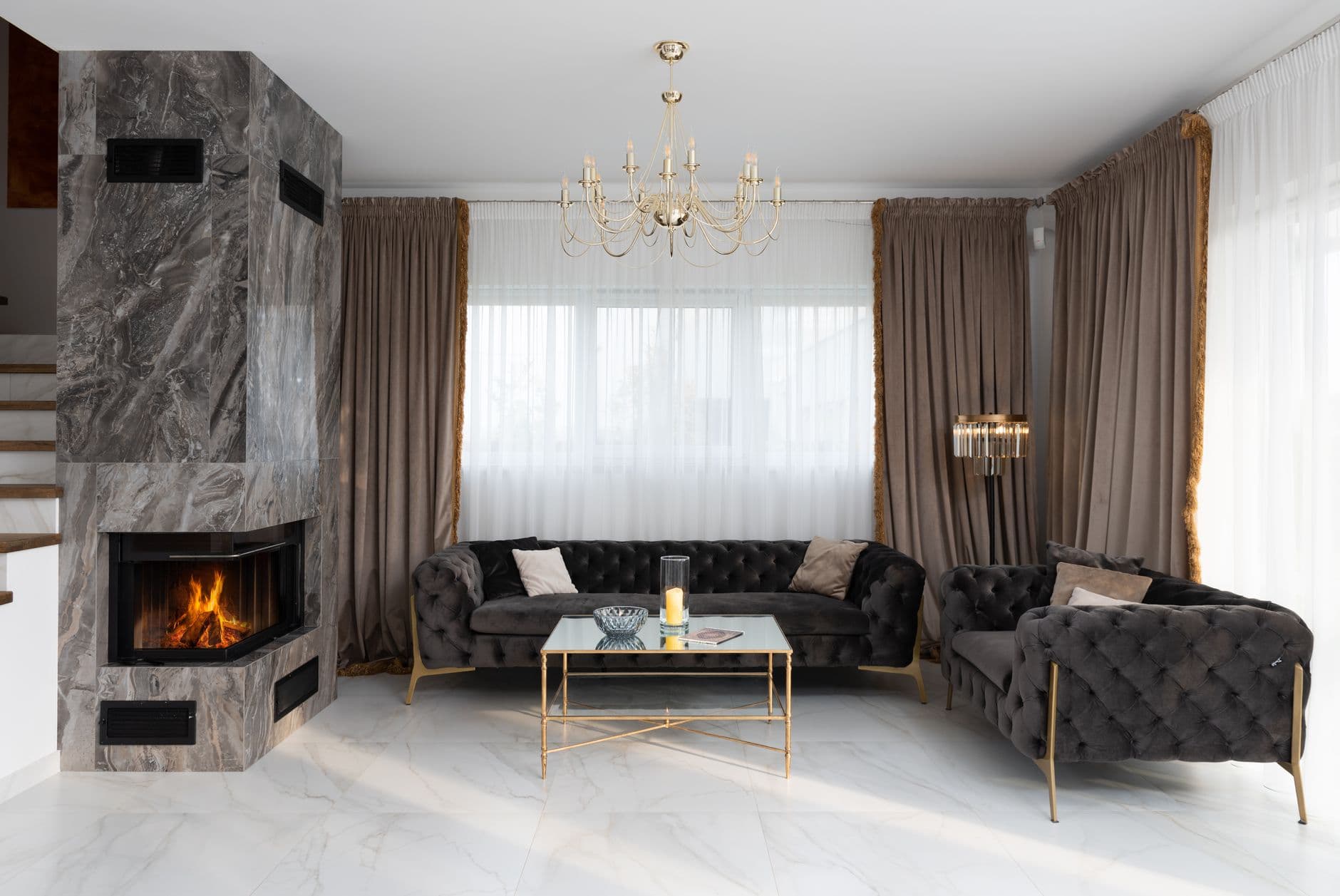
Choosing the Right Fireplace for Your Los Angeles Home
Few home features provide the warmth, ambiance, and comfort of a fireplace. Whether you're building a new home, renovating, or considering converting your existing fireplace, choosing between gas and wood-burning options is a significant decision.
Both fuel types have strong advocates and real advantages. This guide compares gas and wood fireplaces across every important factor so you can pick what fits your Los Angeles home and lifestyle.
The Ambiance Factor
Wood-Burning Fireplaces:
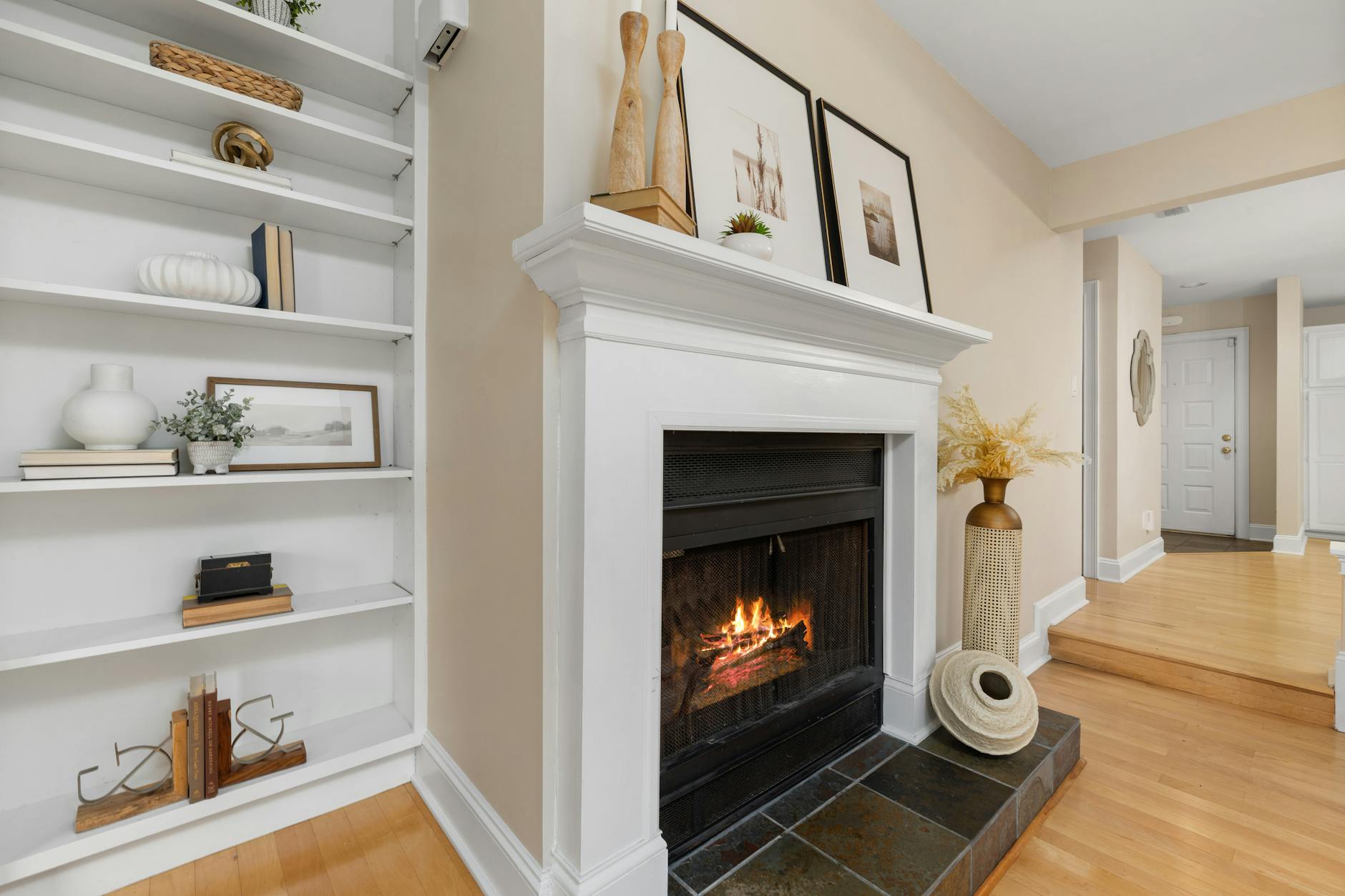
- There's something primal and irreplaceable about a real wood fire:
- Dancing flames with natural, unpredictable movement
- The authentic crackle and pop of burning logs
- The distinctive aroma of wood smoke
- The ritual of building and tending a fire
- An unmatched sense of authenticity
For many homeowners, these sensory experiences are what a fireplace is all about. No amount of technology fully replicates the living, breathing presence of a real wood fire.
Gas Fireplaces:
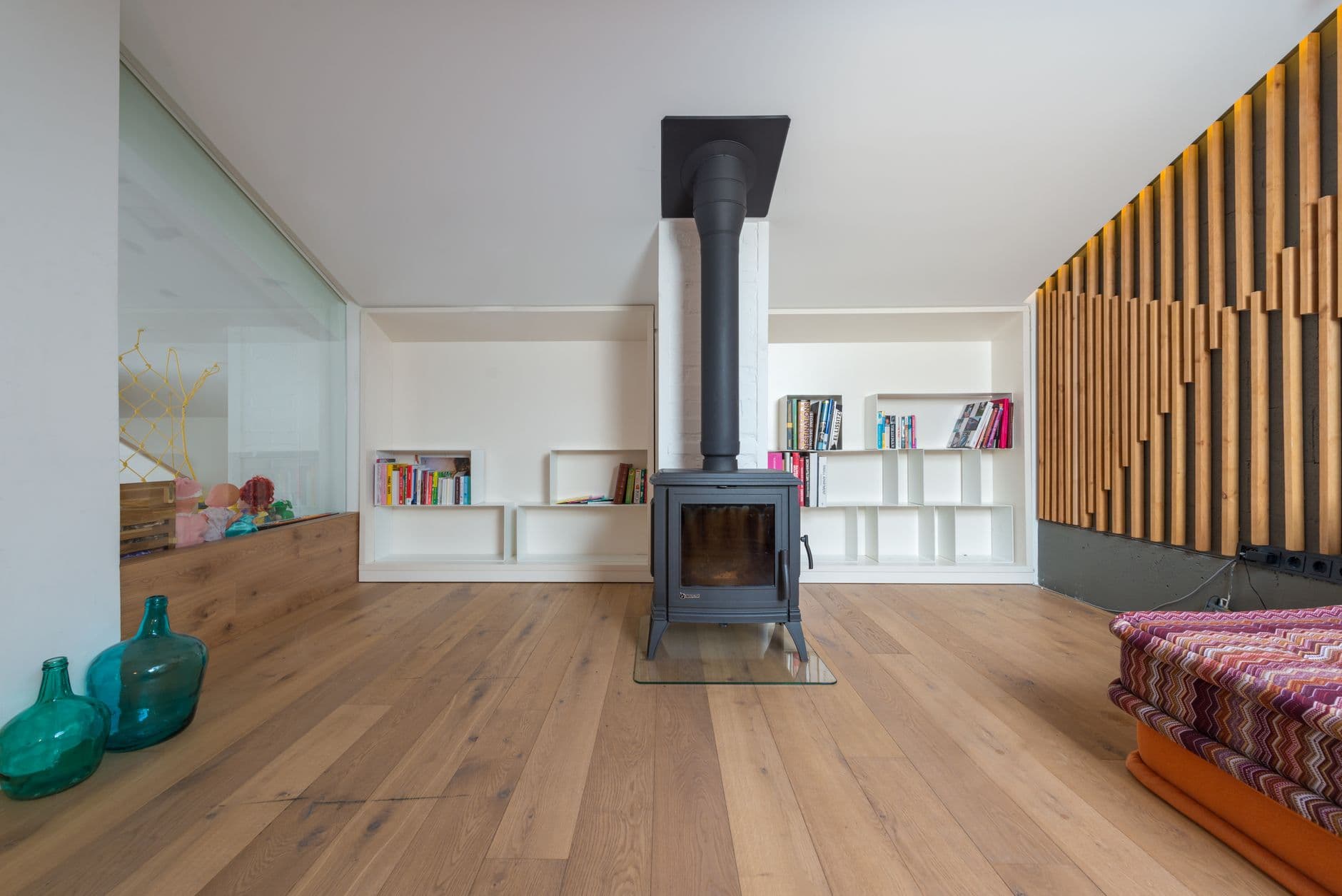
- Modern gas fireplaces have evolved remarkably:
- Realistic ceramic logs that glow authentically
- Variable flame height and patterns
- Some models include crackling sound effects
- Consistent, reliable performance
- Contemporary designs available beyond traditional looks

While gas can't perfectly mimic wood, today's high-end gas fireplaces come impressively close, and many homeowners find them sufficiently authentic.
Verdict: Wood wins for purists seeking the genuine fireplace experience. Gas satisfies most homeowners and excels in modern aesthetic options.
Convenience and Ease of Use
Wood-Burning Fireplaces:
- Operating a wood fireplace requires effort:
- Sourcing, purchasing, and storing firewood
- Hauling and stacking wood
- Building fires with kindling and proper technique
- Tending fires, adding logs, adjusting airflow
- Removing and disposing of ash
- Annual chimney cleaning
For some, this ritual is part of the appeal. For others, it's a barrier to regular use.
Gas Fireplaces:
- Gas offers unmatched convenience:
- Instant on/off with a switch, remote, or thermostat
- No fuel handling or storage
- No ash, no mess
- Consistent performance every time
- Can be controlled via smartphone in many models
- Minimal maintenance requirements
Verdict: Gas wins decisively for convenience. Many gas fireplace owners use their fireplace more often simply because it's effortless.
Heat Output and Efficiency
Wood-Burning Fireplaces:
- Traditional masonry fireplaces are notoriously inefficient:
- Open fireplaces: 10-15% efficiency
- Strong draft pulls heated room air up the chimney
- Net heat loss is possible
- Wood fireplace inserts: 70-80% efficiency
- Heat output varies with fire management
With a high-quality insert, wood can provide substantial heat. Without one, traditional wood fireplaces are more about ambiance than heating.
Gas Fireplaces:
- Gas fireplaces typically offer superior heating:
- Direct-vent gas fireplaces: 70-85% efficiency
- Vent-free models: 99%+ efficiency (check local codes)
- Consistent, controllable heat output
- Built-in blowers distribute heat effectively
- Thermostat control maintains desired temperature
Heating Comparison:
| Factor | Wood | Gas |
|---|---|---|
| Traditional fireplace efficiency | 10-15% | 70-85% |
| With insert/modern unit | 70-80% | 70-85% |
| Heat distribution | Radiant, uneven | Forced air, even |
| Temperature control | Manual | Thermostat |
Verdict: Gas wins for heating efficiency and controllability. Wood can compete with a quality insert.
Cost Considerations
Initial Planning:
- - New fireplace projects depend on venting, finish work, fuel access, and local code requirements
- Inserts usually involve less construction than a full fireplace build, but sizing and liner work still matter
- Gas line or electrical upgrades can add to the project scope when needed
Operating Considerations:
Wood fuel use depends on burn habits, storage, and local supply conditions. Gas use depends on appliance rating, run time, and local utility rates.
Maintenance Considerations:
- - Wood systems usually need more frequent sweeping and ash handling
- Gas systems still need periodic service, vent checks, and part replacement over time
- Repair needs for either option depend on wear, moisture exposure, and how often the fireplace is used
Long-term Comparison:
Over time, total ownership depends more on installation quality, maintenance habits, and usage patterns than a single upfront number.
Verdict: Tie, depends on usage patterns and how you value your time.
Environmental Impact
Wood-Burning Fireplaces:
Wood fires have complex environmental implications:
- Positive factors:
- Wood is renewable
- Carbon released equals carbon absorbed during growth (carbon neutral when sustainably sourced)
- Local sourcing reduces transportation impact
- Negative factors:
- Particulate emissions affect air quality
- SCAQMD restrictions on burning days in Los Angeles
- Old-growth or improperly harvested wood is problematic
- Smoke contains pollutants
Gas Fireplaces:
Gas also has mixed environmental aspects:
- Positive factors:
- Burns cleaner with fewer particulates
- No air quality burning restrictions
- Modern units have lower emissions
- No local smoke impact
- Negative factors:
- Natural gas is a fossil fuel
- Methane leaks during extraction and transport
- Non-renewable resource
Los Angeles-Specific Considerations:
The South Coast Air Quality Management District (SCAQMD) declares "No Burn" days when air quality conditions are poor. On these days, wood burning is prohibited in non-compliant fireplaces. Gas fireplaces are exempt from these restrictions.
If you want to use your fireplace year-round without restrictions, gas has a clear advantage in Los Angeles.
Verdict: Gas is cleaner locally and avoids burning restrictions. Neither is perfect environmentally, but gas has fewer practical limitations in LA.
Safety Considerations
Wood-Burning Fireplaces:
- Safety concerns include:
- Chimney fires from creosote buildup
- House fires from sparks or improper operation
- Carbon monoxide risk from blocked flues
- Burns from accessible flames and hot surfaces
- Air quality concerns for sensitive individuals
Proper maintenance and operation mitigate most risks, but wood requires more vigilance.
Gas Fireplaces:
- Safety advantages:
- No creosote, no chimney fire risk
- No sparks or embers
- Sealed combustion prevents CO entry
- Glass fronts contain flame
- Automatic shutoff features
- No air quality burning restrictions
- Safety concerns:
- Gas leaks (rare with proper installation)
- Glass gets extremely hot (burn risk, especially for children)
- Pilot lights and igniters can fail
Verdict: Gas is generally safer with fewer variables, but both are safe when properly installed and maintained.
Maintenance Requirements
Wood-Burning Fireplaces:
- Annual and ongoing maintenance includes:
- Professional chimney inspection (annual)
- Chimney cleaning (annual or as needed)
- Firebox inspection for cracks
- Damper maintenance
- Chimney cap inspection
- Mortar and masonry repairs (eventual)
- Ash removal after each use
Gas Fireplaces:
- Maintenance is minimal but important:
- Annual professional inspection
- Log and burner cleaning
- Pilot and igniter inspection
- Glass cleaning
- Thermocouple/thermopile replacement (eventual)
- Vent inspection
Verdict: Gas requires significantly less maintenance.
Home Value and Appeal
Real Estate Perspective:
- Both fireplace types add value:
- Functional fireplaces are desirable features
- Gas appeals to convenience-focused buyers
- Wood appeals to traditional/ambiance-focused buyers
- Non-functional fireplaces may detract from value
In the Los Angeles market, gas fireplaces may have slight appeal advantage due to burning restrictions and low-maintenance lifestyle preferences.
Verdict: Both add value. Gas may have slight edge in LA market.
Making Your Decision
- Choose Wood If:
- You prioritize authentic fire experience above all
- You enjoy the ritual of fire-building
- You have easy access to quality firewood
- You're willing to perform regular maintenance
- You don't mind occasional burning restrictions
- Choose Gas If:
- Convenience is a priority
- You want unrestricted use year-round
- You prefer predictable, controllable heat
- You want lower maintenance requirements
- You have concerns about air quality
- Consider Conversion If:
- You have an underused wood fireplace
- You want the convenience of gas with existing aesthetics
- Burning restrictions limit your current fireplace use
- Maintenance has become burdensome
Professional Guidance
Whether you're maintaining a wood fireplace, considering conversion to gas, or need service for either type, Ashgard Chimney Sweep's technicians can help. We service both wood and gas fireplace systems throughout the Pasadena area.
Contact us at (818) 671-0742 to discuss your fireplace needs. We serve Pasadena, Altadena, South Pasadena, La Canada Flintridge, San Marino, and all surrounding areas.
Whatever fuel type you choose, proper installation and maintenance ensure safe, enjoyable fireplace experiences for years to come. Let Ashgard help you make the most of your home's hearth.
Need Professional Chimney Service?
Our technicians are ready to help with all your chimney and fireplace needs. Contact Ashgard Chimney Sweep today for expert service throughout the Pasadena and the San Gabriel foothills service area.